Alexis Time-Based Media Blog
The Concept of Time
Time is a hard concept to define, whether it is considered real or not. I think the general accepted definition is time being a sort of measurement or record of change. However, time has had various applications throughout history making it even more perplexing to the human. I find it interesting and silly how humans define time, yet it is fleeing from us, never ceasing, endless, and possibly non-existent.
When looking back, time is a record of moments paced by nature. The sun rises, sets, and rises again, displaying an endless cycle that is evident and established, which logically stabilizes the measurement of time. However, the infinite cyclical nature of day and night, life and death, also begs the question of time’s existence. If there are infinite moments in space, a sliver of it would be illusive because the moments are condensed as an entirety, a single entity, yet also expanded with no limit or end to its entirety.
When experiencing Aaron Zen’s sound art of Beethoven’s ninth symphony digitally expanded from 60 minutes to 24 hours, it reflects the concept of time becoming seemingly endless. I think this manipulation of time is genius in discovering and unlocking pieces of its various mysteries. The elongation of the symphony gives each chord an eternal moment of its own and forces a focus on it in such a way as to capture it as its own song amongst the other chords. It is a continuum that is limitless in nature and effectively explores the reality of time.
Adding on to the complex nature of time, every individual processes time differently and experiences time differently. Being that time is relative, according to Einstein’s theory, an individual even senses it in various ways that is personal to them, making time precious and subjective overall.
Because time is such a mystery, it is powerful and pursued.
Time Map
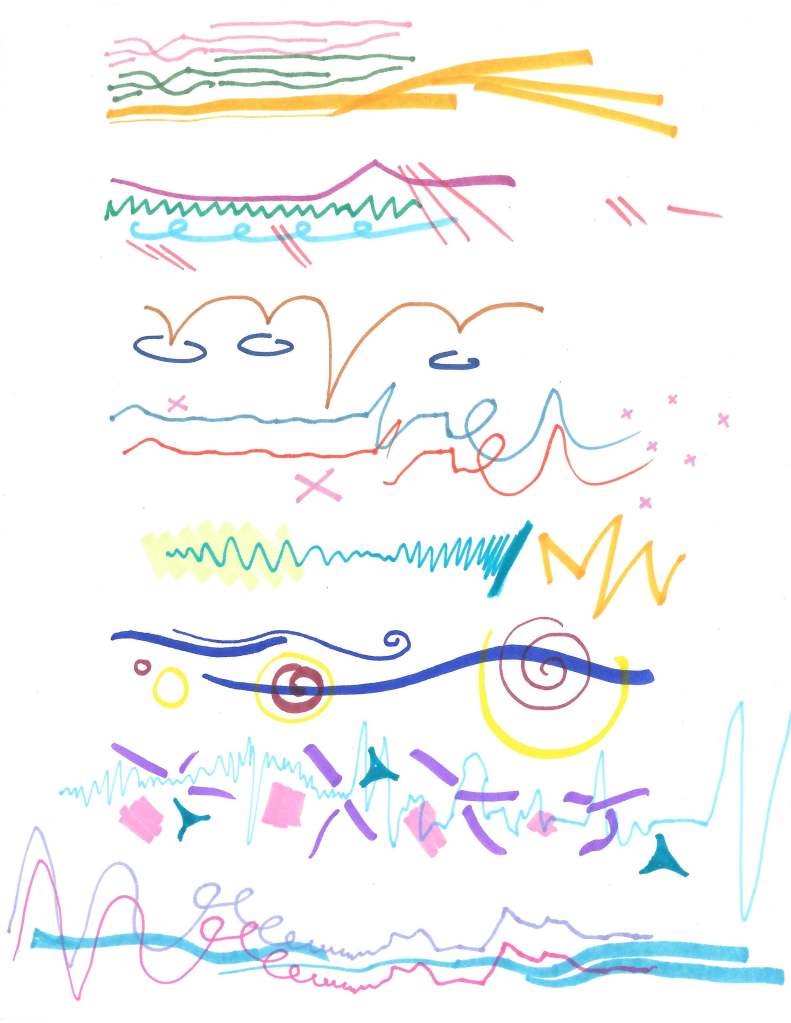
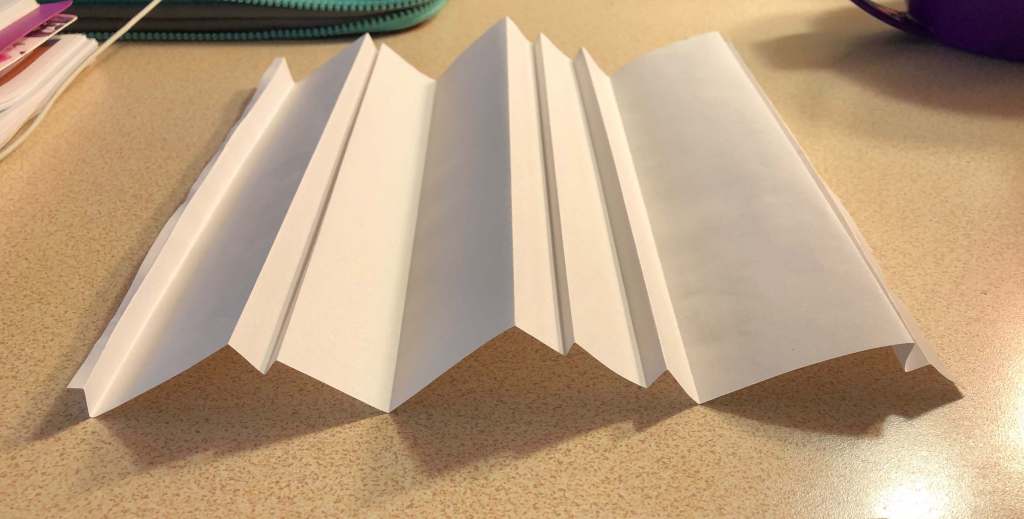
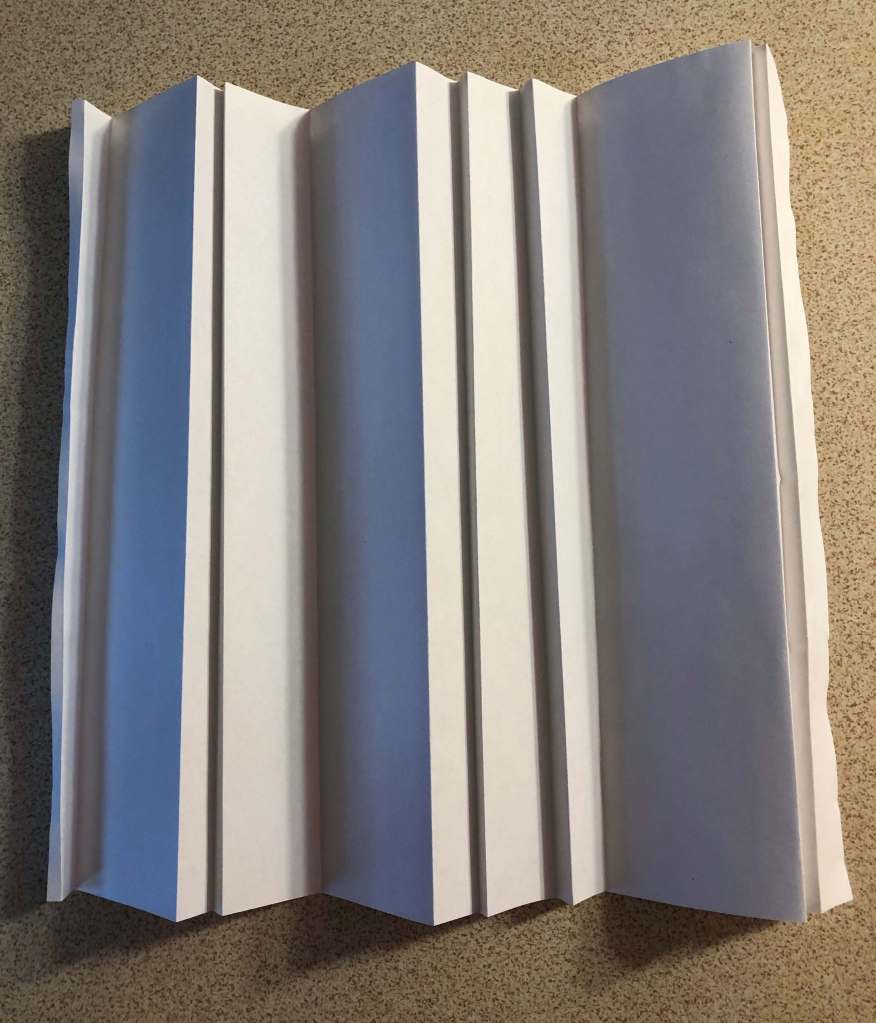
To physically visualize time, I explored two different techniques: one that express my mental state throughout a full day and another presenting the varying lengths of different tasks completed throughout a full day. For the first experiment, I set out a display of many colors of markers to choose from that I used to express my feeling at certain points of the day. I noticed that for the morning my markings would be bland and simple with less vibrant combinations in color. Over time, the complexity grew in the markings and patterns, showing how my mind began to process quicker as well as taking more risks. The chaotic and creative nature of my mind expanded exponentially from a series of straight lines to overlapping patterns, shapes, curves and edges of various widths. The colors became dreamier near the end of the day, displaying my mental state at night when most imaginative thoughts develop in my mind and spontaneity occurs. In the second project, I simply folded the paper back and forth in varying lengths to parallel the lengths of time spent away from the paper and doing a specific task. For instance, the smallest fold lengths represent using the restroom and the largest would either be time in class or hanging out with friends. By the end of the day, the paper shows a unique pattern of zigzag folds to represent the time passed through the day.
3 ideas for animation
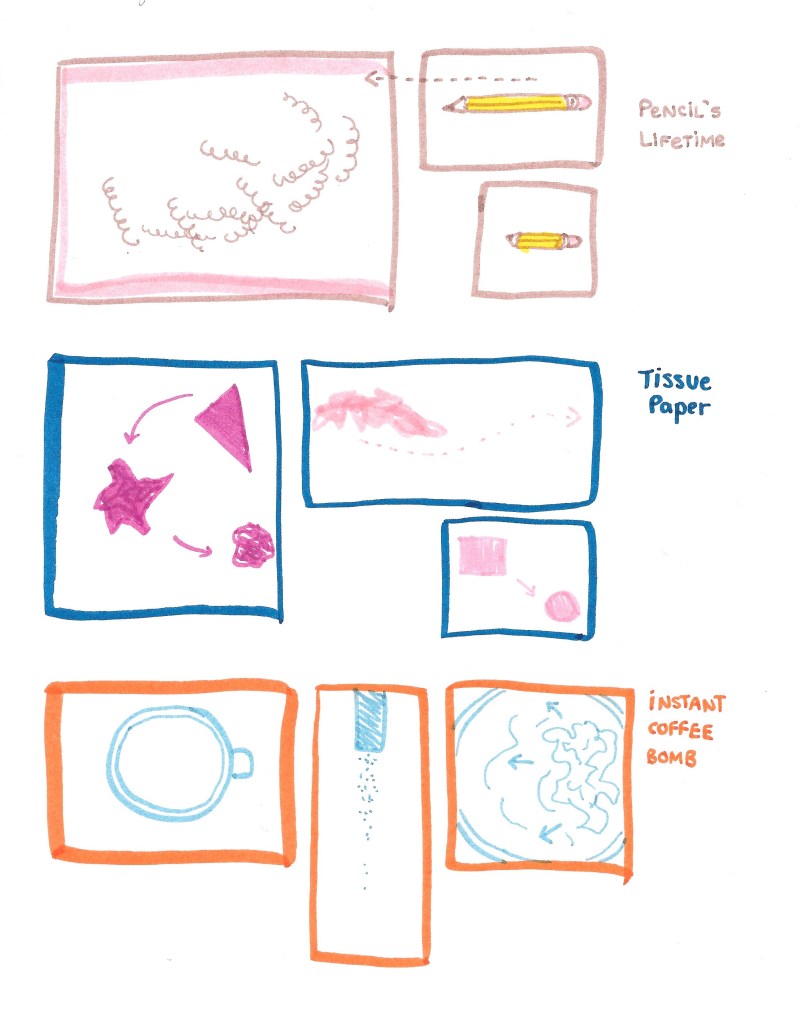
- One idea is expressing a pencil’s life and its various aspects. I will capture a pencil in different states such as its shavings and other factors that make break it or wear it down. The set of the project would be composed of only the elements of a pencil and the use of boxed spaces that mimic jumping from one state to another. The motion of the pencil and the pencil shavings will push the narrative forward until the pencil is worn away. I plan to complete this by experimenting the many ways a pencil can be worn away and display those diverse ways to examine the life of a pencil.
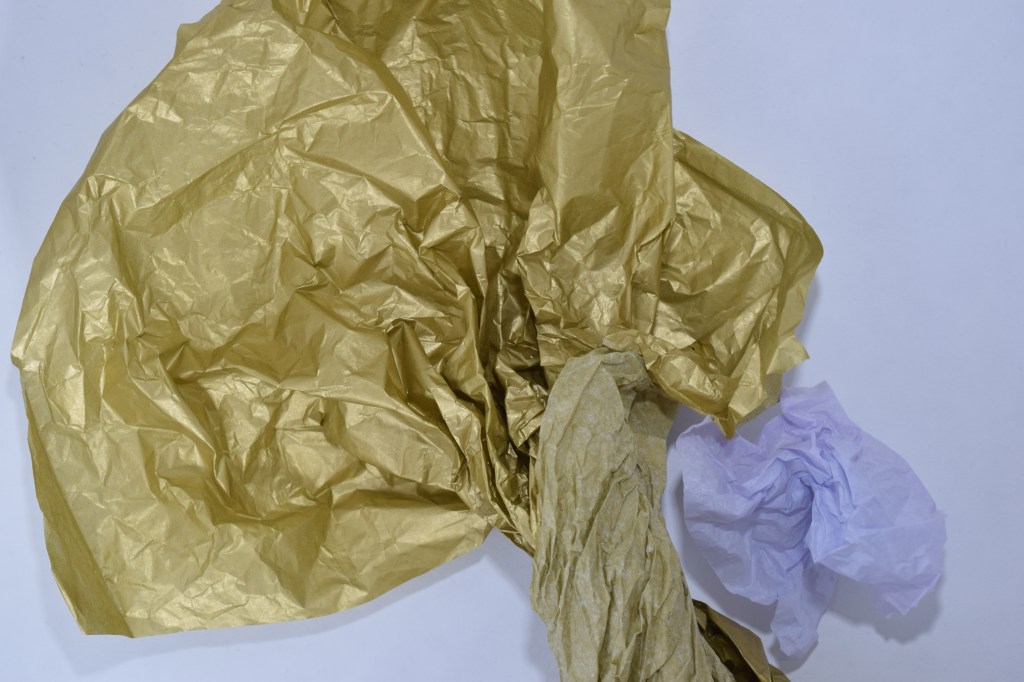
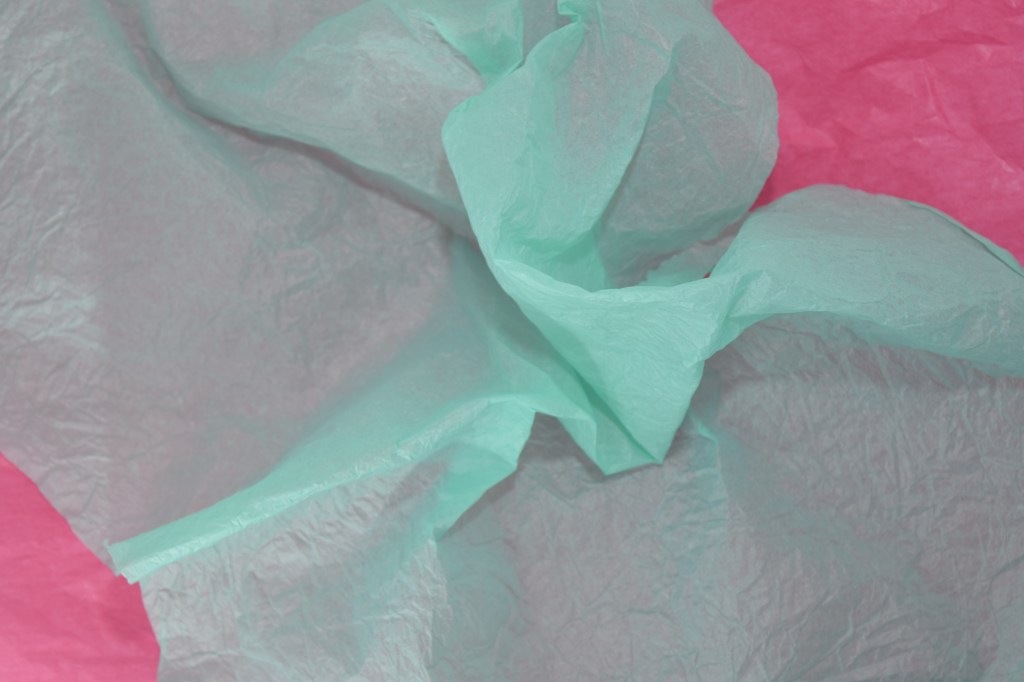
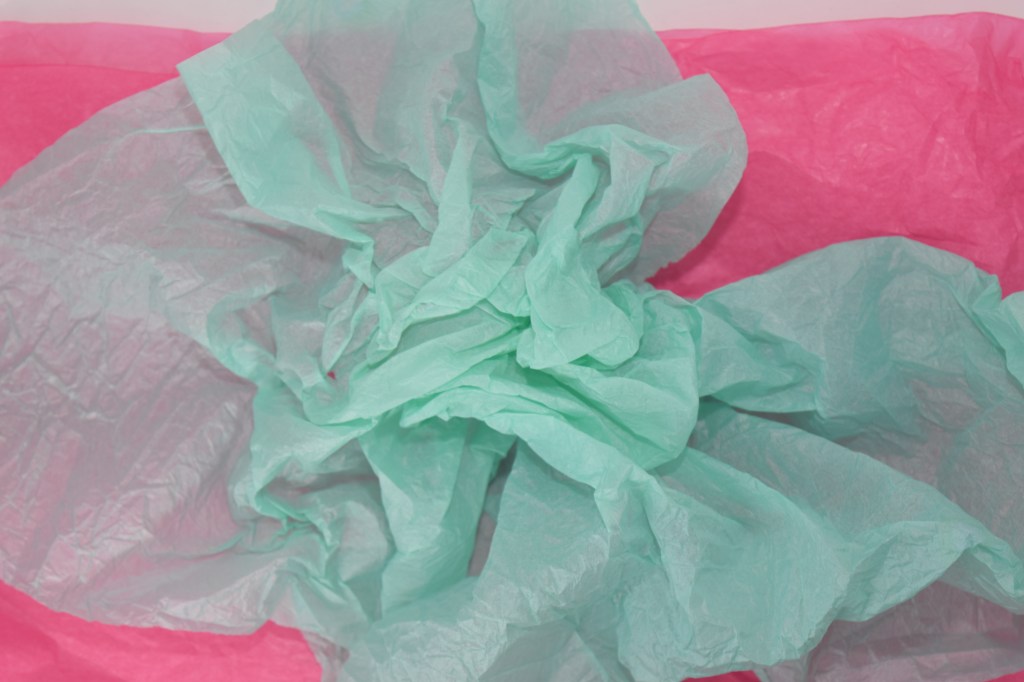
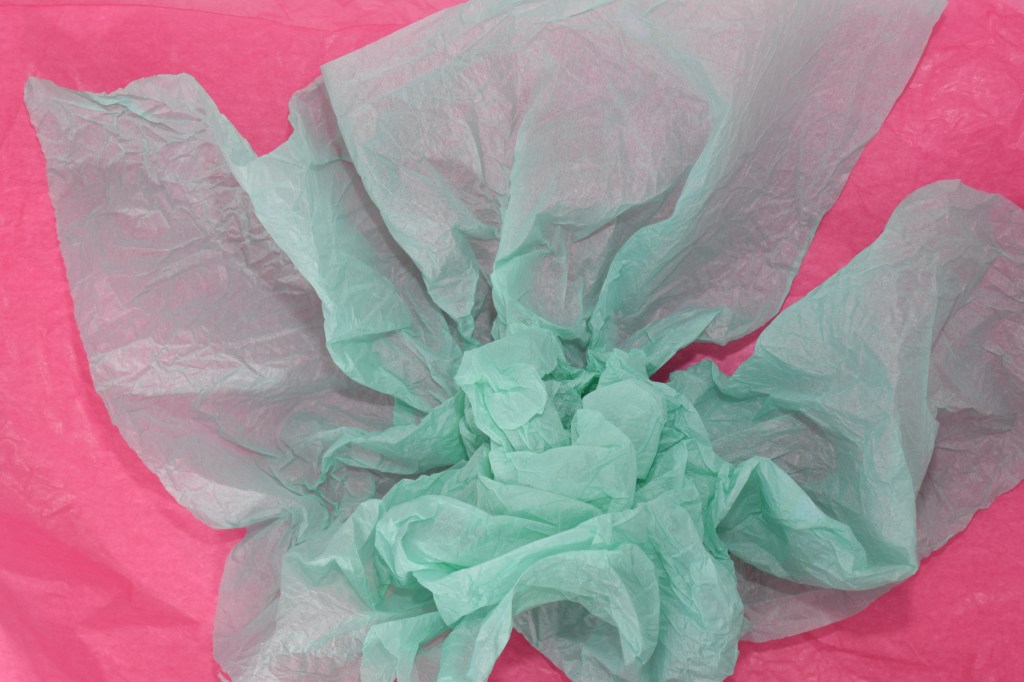
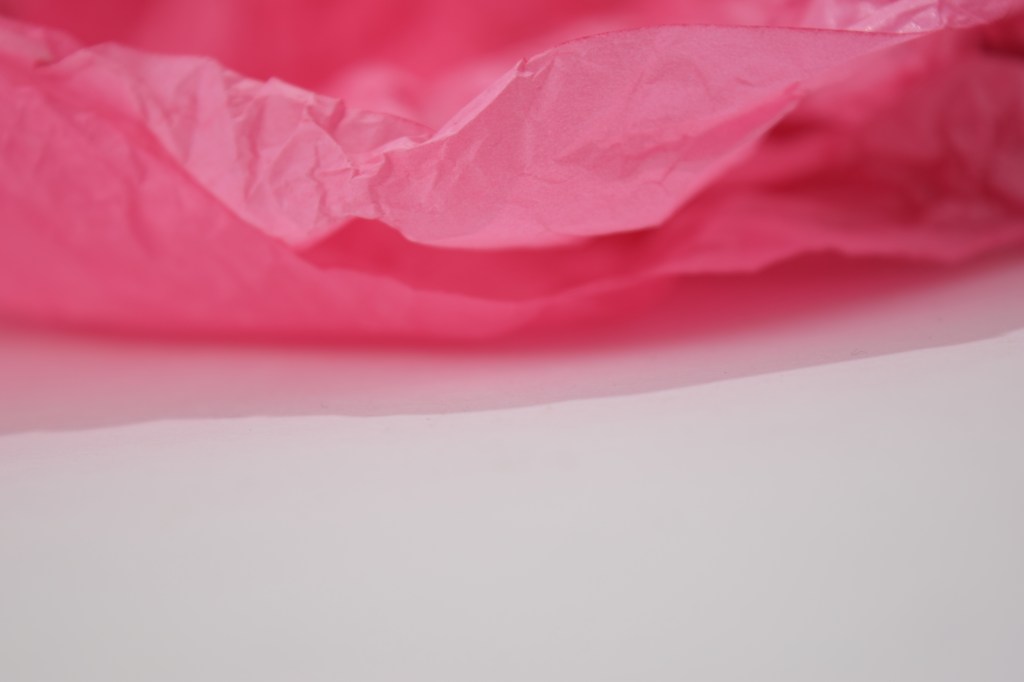
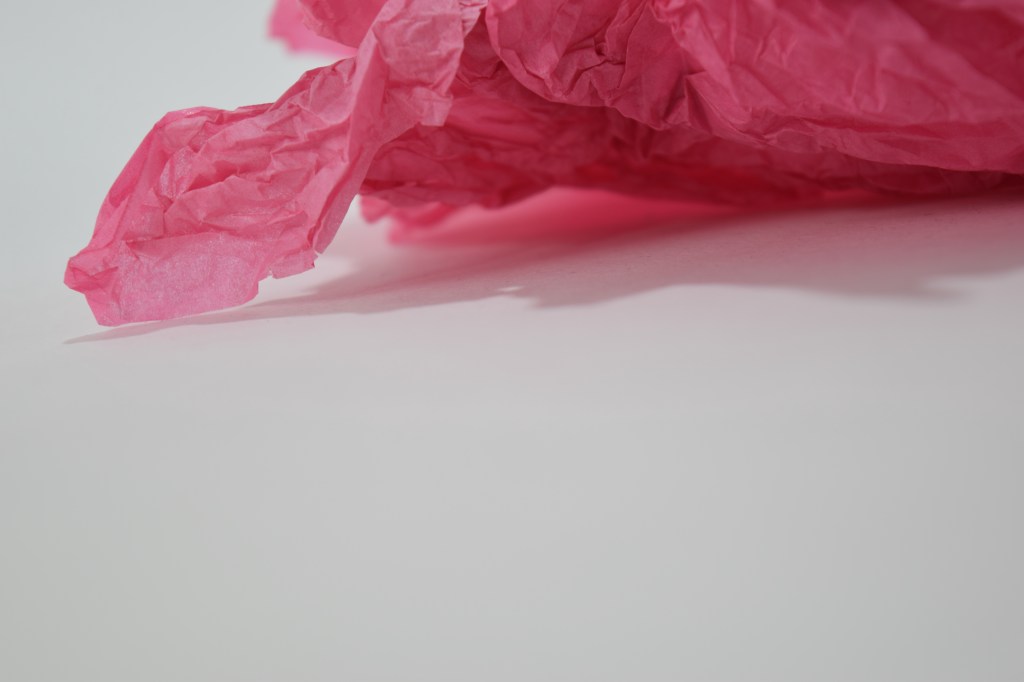
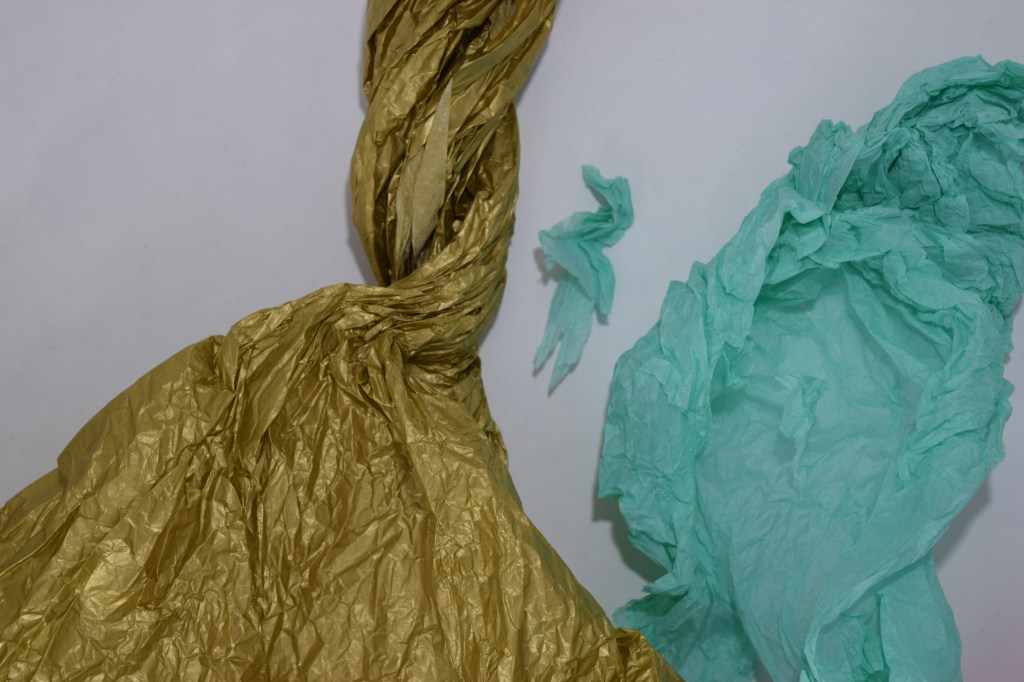
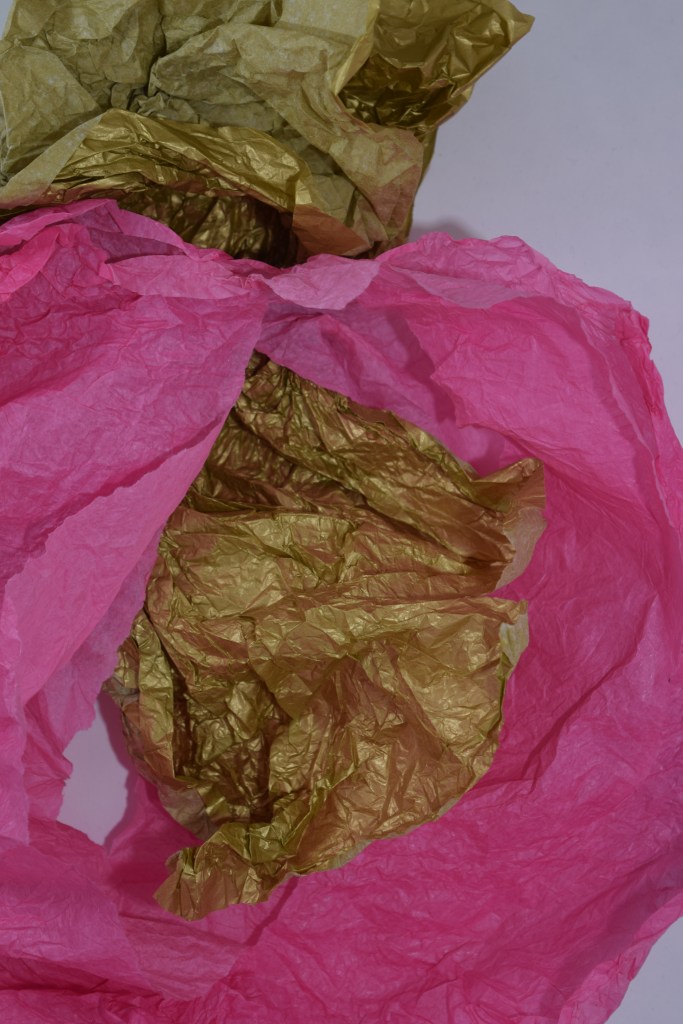
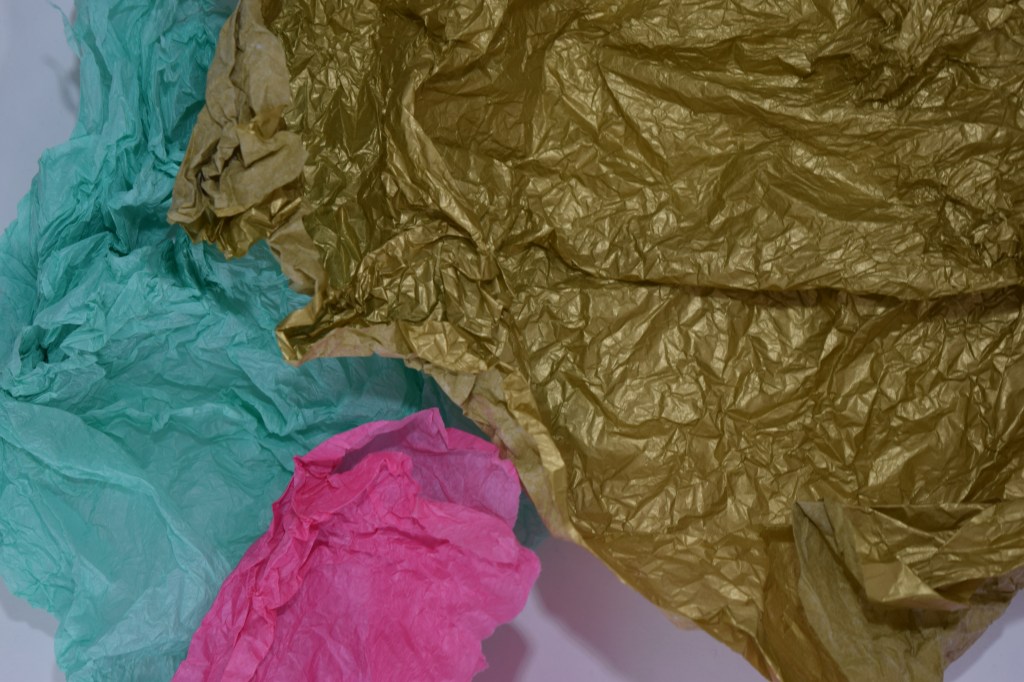
- The second idea is exploring the nature of tissue paper and its vivid colors. I will set up the scene with various colors that overlap, crumble, and almost mimic a sway. I plan to have the pieces of tissue paper to seem as though they are dancing with each other. I also want to incorporate the altering of states, whether it involves tearing or scrunching up the tissue paper. I will experiment with space by condensing and expanding the tissue paper, testing its limits with space. Overall, the motion will express tension in the ways I plan to alter the tissue paper’s state and the color choices will further stress certain stages in the process.
- For the final idea, I want to explore the use of water and transforming it through instant coffee. The way the set will be composed is using a cup to hold the water and having a dramatic drop of the powder for the instant coffee fall into the cup. The effect of the powder creates a burst of cloud in the water, contaminating it with caffeine. The idea here is to reflect a sort of bomb and exaggerating the production of instant coffee. The motion will be part artificial and part natural, in terms of dropping the powder and the water doing the natural work of absorbing it.
Studio set (set up test photos)
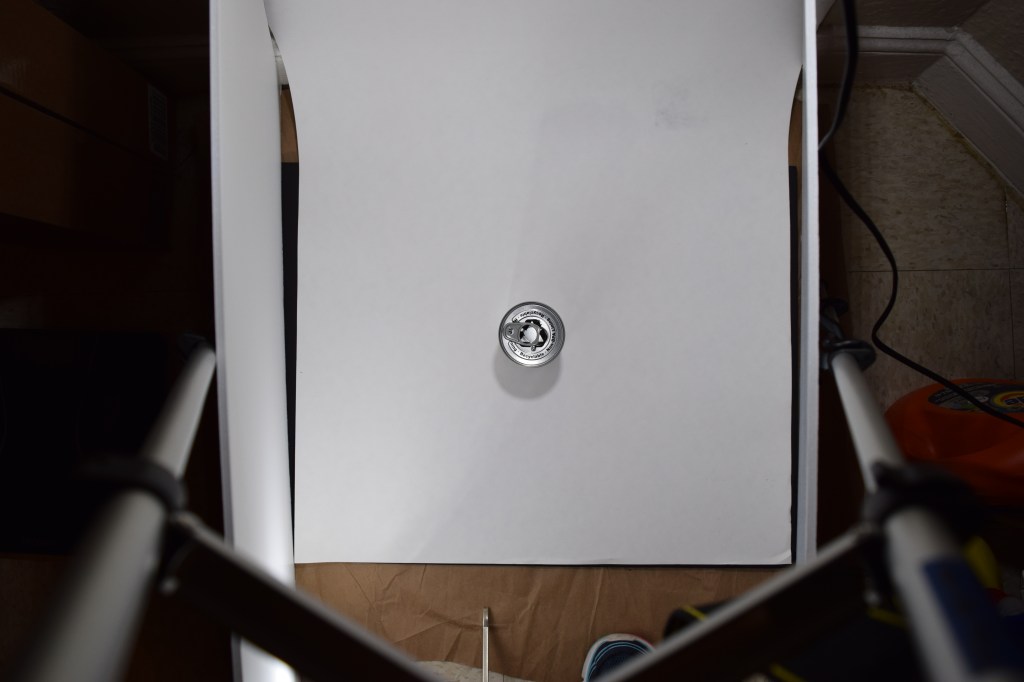
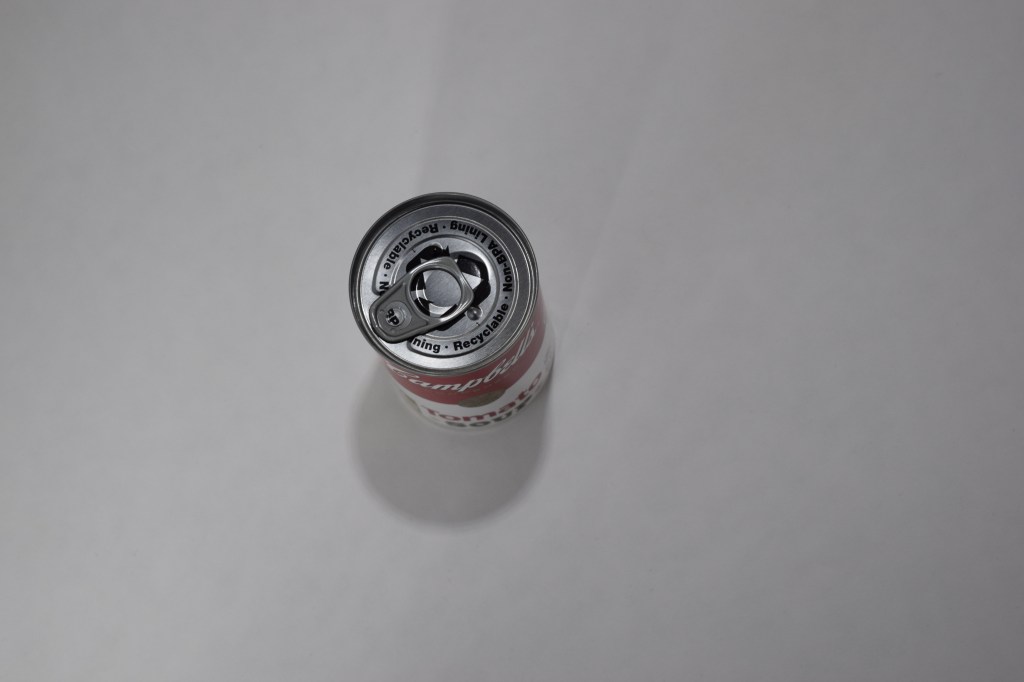
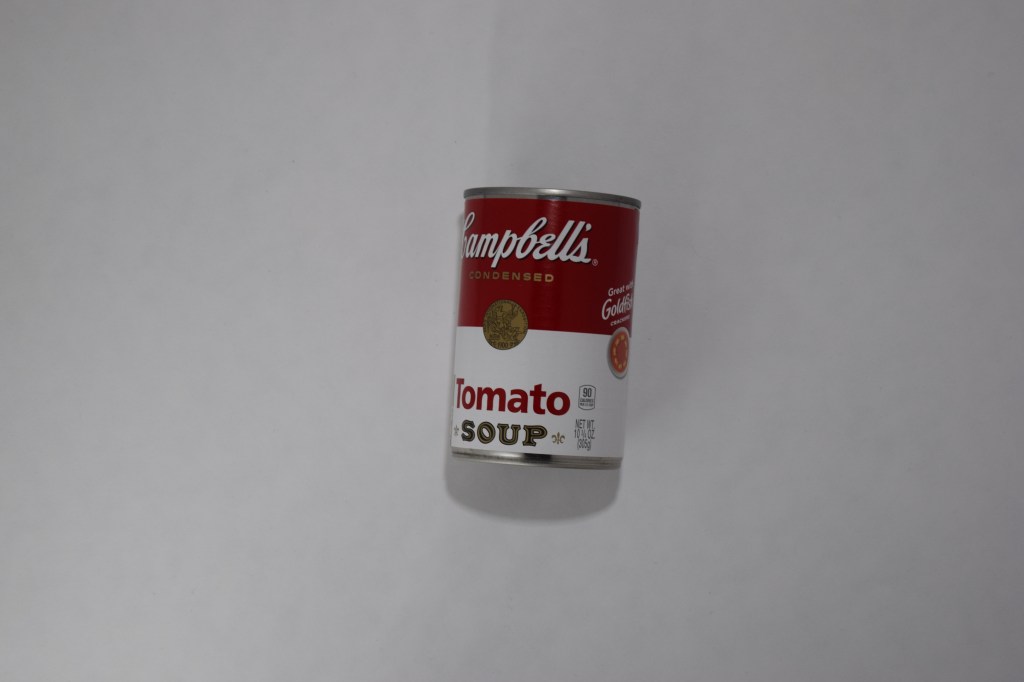
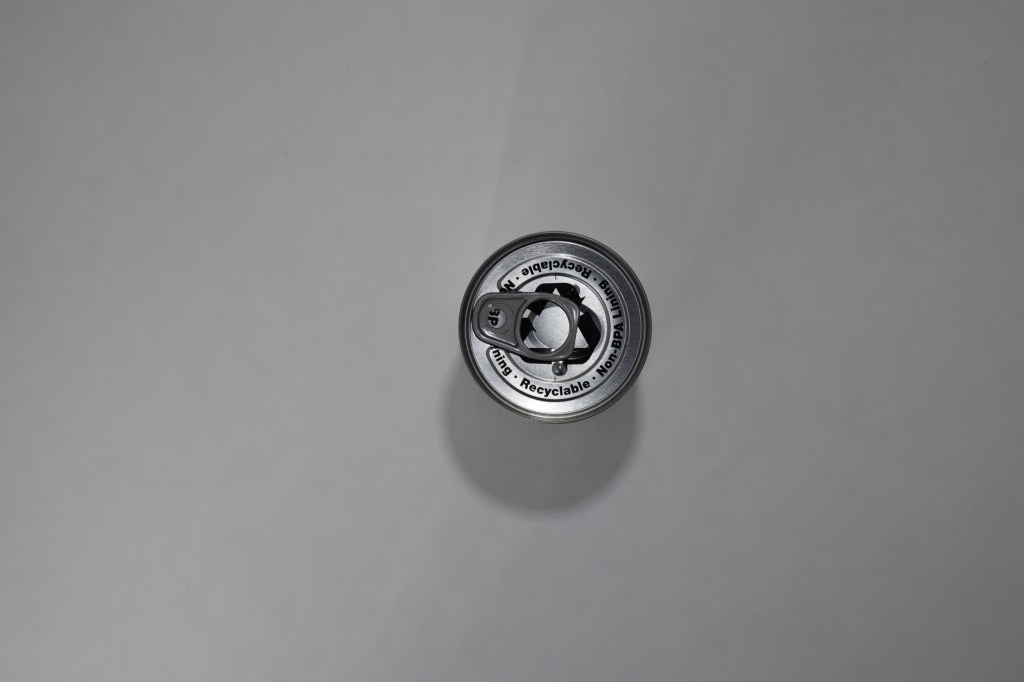
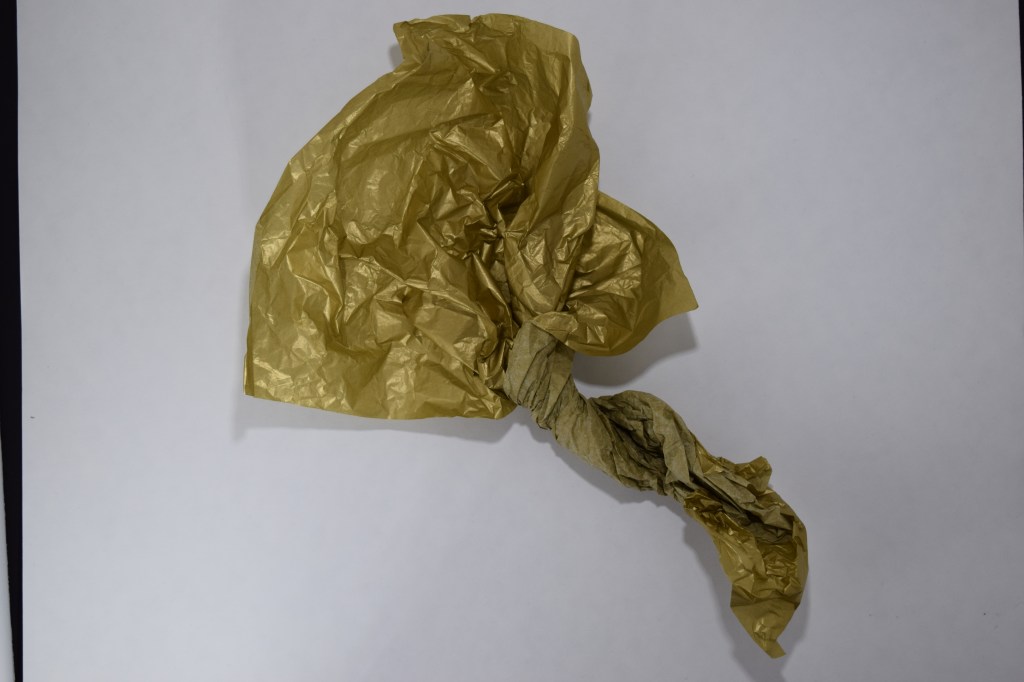
Before I proceed to display more photos, I will explain the set up. I basically built a white boxed area to have the light bounce around between the two poster boards on the left and right, as well as the poster paper curved for the placemat. I have two studio lights: one placed above and another placed facing one poster board at an angle to diffuse the light and to enable a brighter set.
I experimented with various angles and I think the best is the bird-eye view, especially if I’m planning to create an experimental animation with tissue paper and its potential of shapes, colors, textures, and overlapping. The lighting set up allows for some shadow to enable sharper textures.
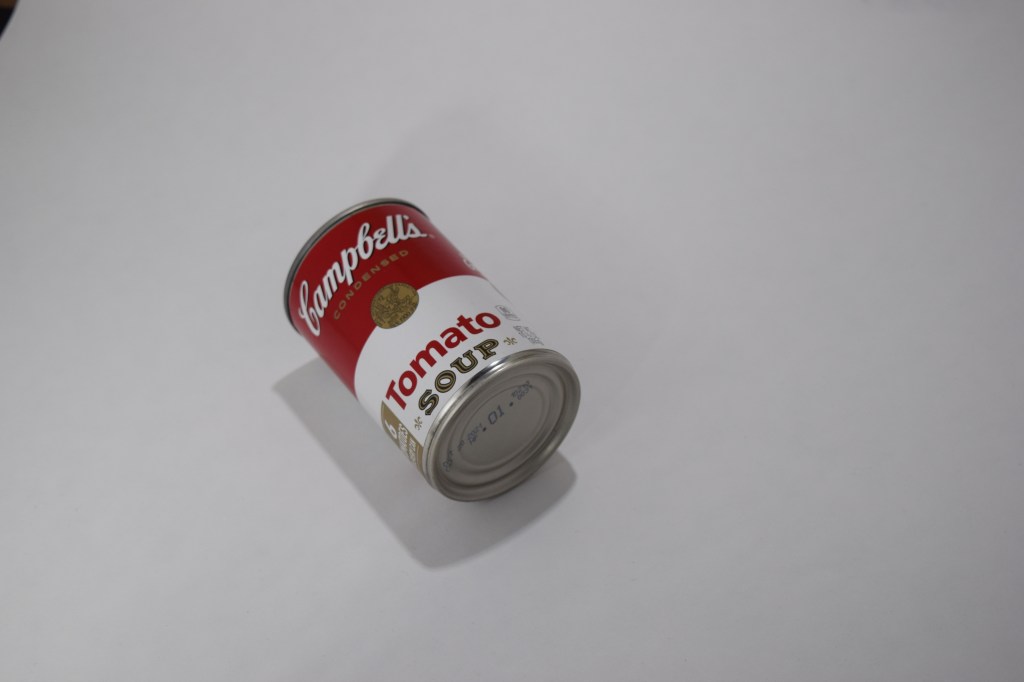
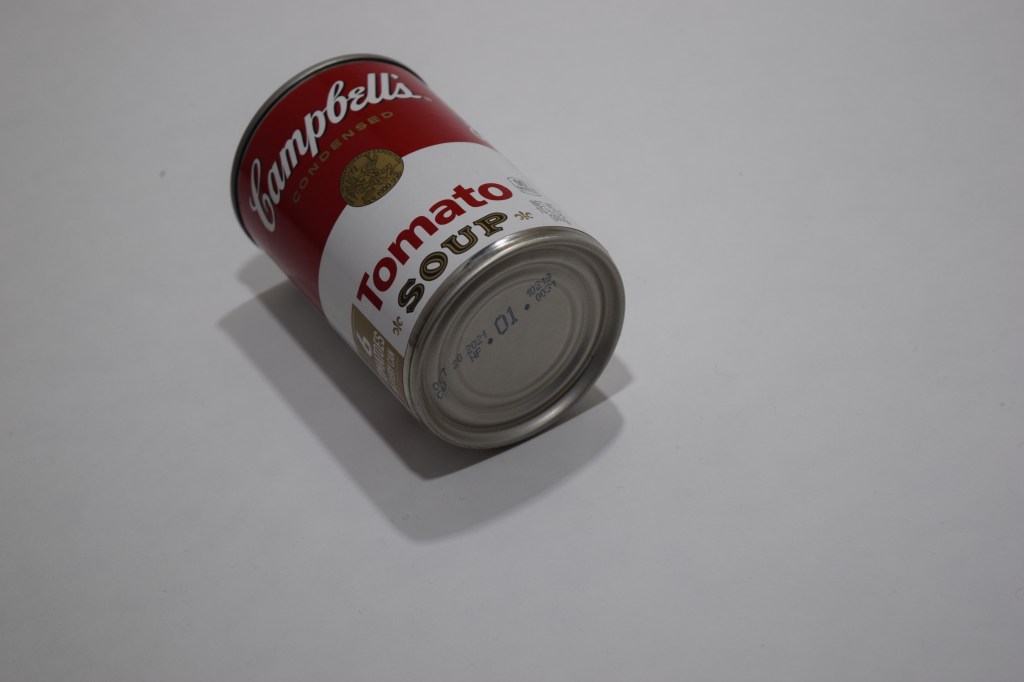
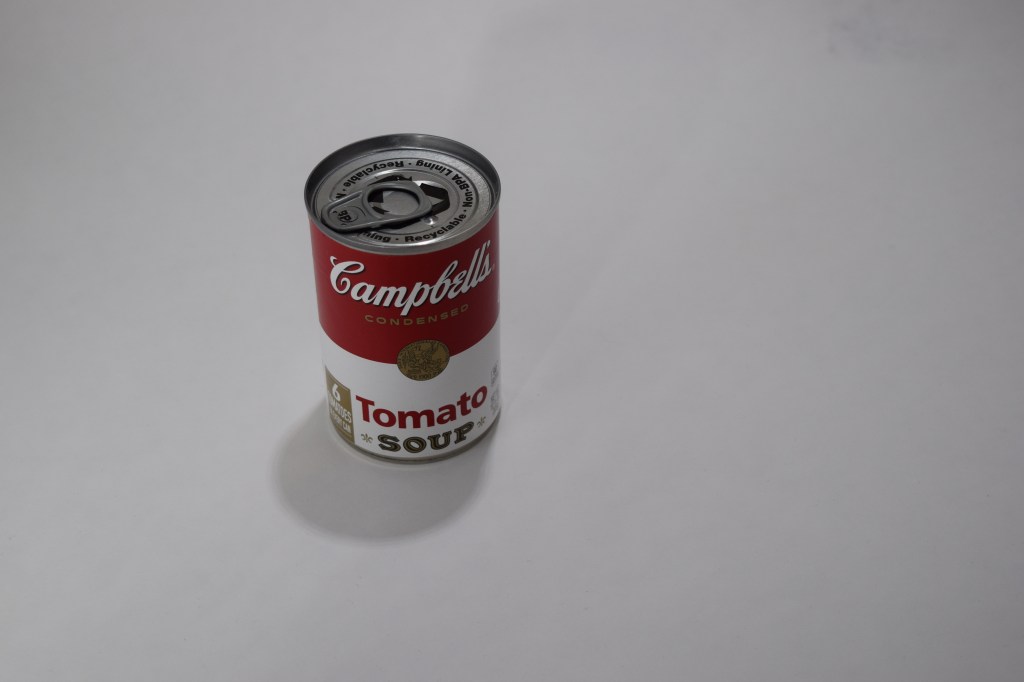
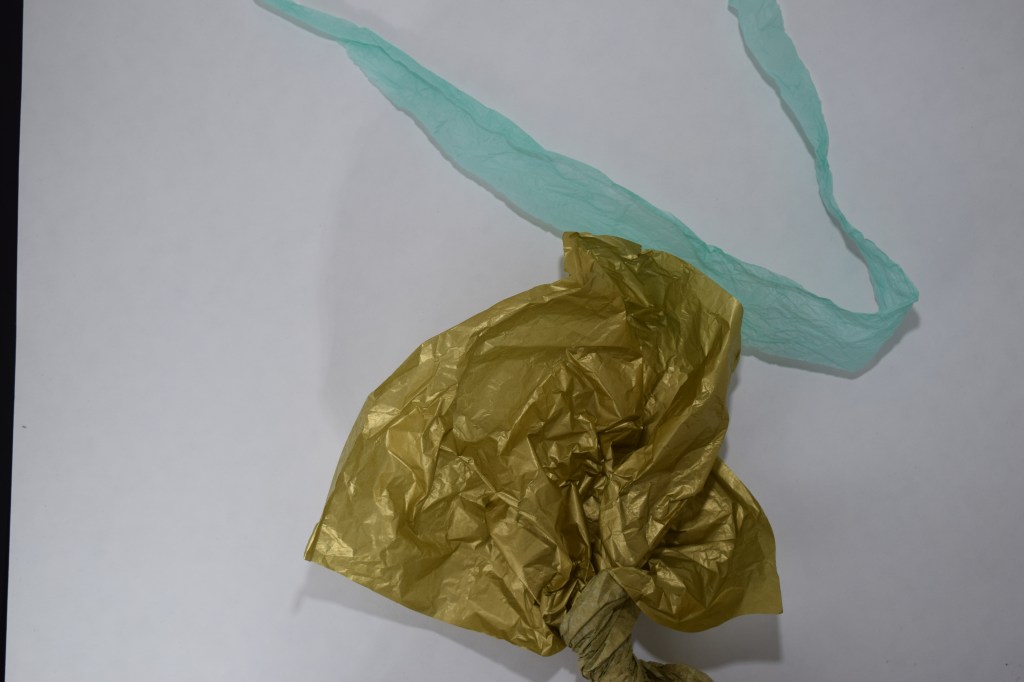
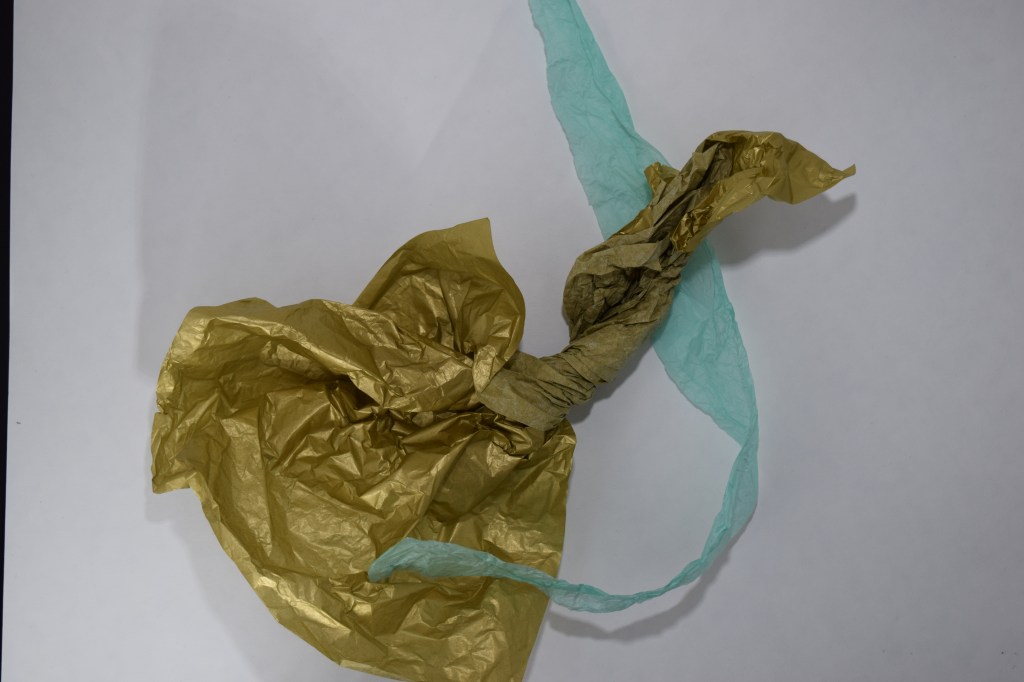
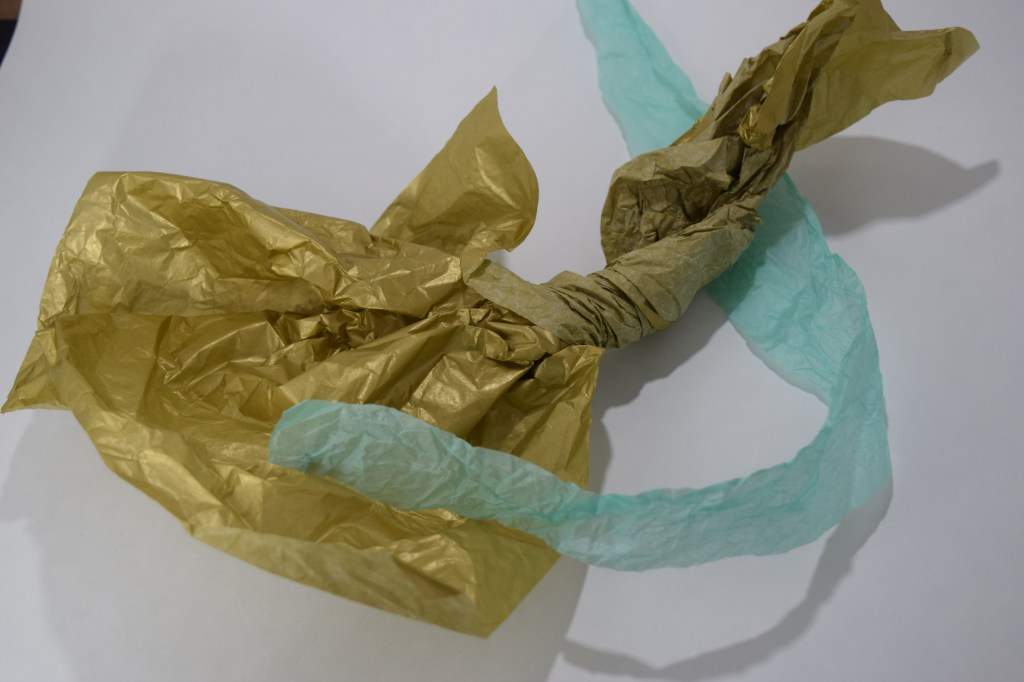
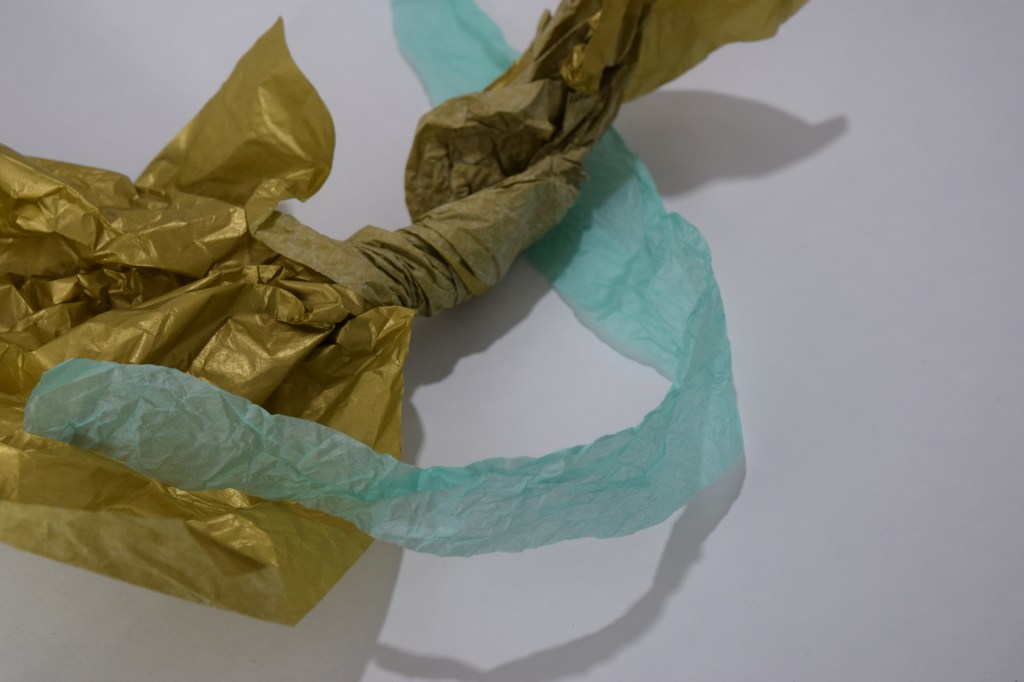
UPDATE…
Here is an update of the animation with a selection of images in the series of 400.
Content and Meaning in Abstract Animation
In John Whitney’s abstract animation, Matrix III (1972), he uses dots, shapes and lines that overlap and hypnotically change positions throughout the plane. The visual music intensifies and gradually grows delicate in reflection of certain pieces of the musical sounds played in the background, soothingly flowing the shapes and intensely rotating the lines. Whitney’s use of form, color, movement, light, and time definitely expresses a transcendental experience, pressing forth a state of being. In the article Content and Meaning in Abstract Animation, Pamela Turner discusses quite fascinating ideas on abstraction and abstract animation.She begins by explaining abstract imagery as images that are pulled from familiar forms of everyday life but leaving the viewer with “little to no reference to the original subject” (Turner 1). I think it is a unique perspective to be able to witness something that, in the artist’s mind, has a source, yet stripes it bare to the minimum for the viewer to be mindfully active in their experience of the abstraction. Similarly, Whitney’s abstraction is whittled down to simple triangular and hexagonal shapes along with lines which truly leaves the viewer experiencing something unlimited and full of potential possibilities, in terms of experience and observation. This impulse of expression through the use of abstract animation envelopes the viewer in its form of unusual movement and unstructured time. Turner also mentions another interesting idea about structure and rhythm, being that typically abstract imagery is not structured, yet there is a certain rhythm that exists. In Whitney’s case, rhythm certainly does exist with its organized movement of overlapping shapes that rotate and circle each other, however, there is no certain structure to the entire animation. Whitney’s work will jump from dots that follow one another in mirroring paths to circles that grow into large hexagons. The forms in the abstract animation adapts over time with no structure. Instead, the animation loosely experiments, and we simply experience.
Still Image
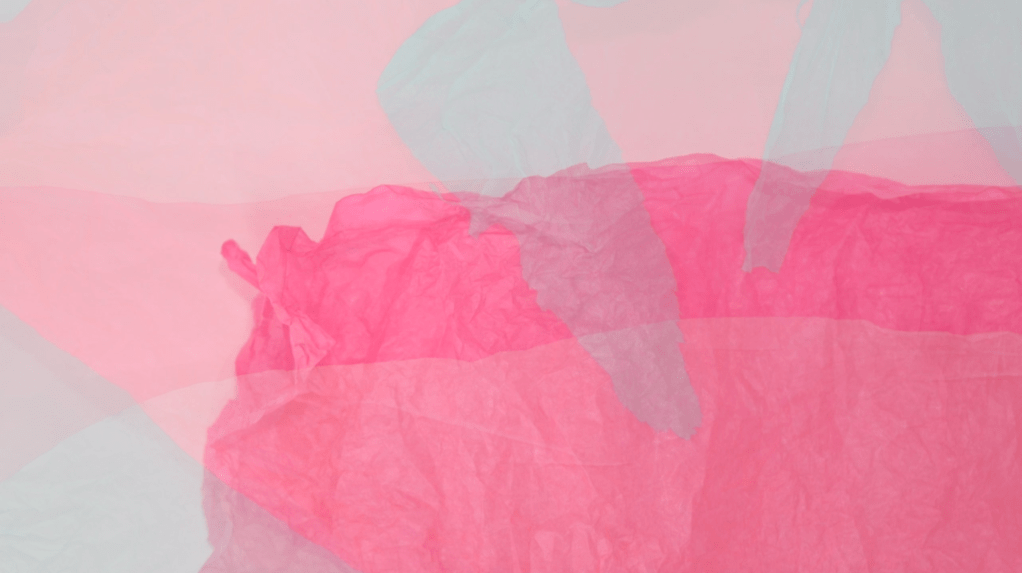
Because I am indecisive, it was difficult to narrow down to a few still images from the animation project. However, I chose this still frame from my animation project as the best because of its depth portrayed in color, almost mimicking a color field painting. I love how the overlapping nature of the elements produce their own colors, interacting with one another. I enjoy this still frame in particular because of its simplicity, yet it captures varying textures and pastels. Overall, the abstract expressionism reflected in this still frame encompasses a flow and lightness, truly unraveling the element of water in which I pursued to express.
Video Art Appreciation
The video artwork Relation in Time, created by Marina Abramovic and Ulay, takes up a duration of 17 hours and takes on a unique spin on the concept of time. I appreciate the long duration of time the performance took to produce this work, reflecting the intimacy and quality in the relation portrayed. It captures time through the connection of two individuals and the beauty held between the man and woman. The conceptual performance and its use of hair completely shows a point of view where the relation exists with a vulnerable aspect and quality, however the two individuals do not see one another. The two people that do not see one another only feel the other through their heads and connected hair. I like this work because I find this video art piece very strong and deeply rooted in the meaning of a growing relation with another over time.
2 Ideas for Video Art Project
The first potential concept for the project is the exploration of time through change in the environment. On tape, this would look like the wearing down of grass as I capture my feet shuffling back and forth on a small patch of grass. Over time the grass will wear down and the shuffling would leave a worn path in the grass to reflect the impact and imprint humans have on nature. Also, the concept digs deeper into psychological aspects of remaining in one’s comfort zone and the confinement of oneself because of the fear that pressures us.
Another potential concept is the exploration of free will and how our individual minds and emotions drive us. Basically, this would be done through gestures and movement to express actions with various objects whether they be paints, liquids, or creams. In the video, this would be an expressionistic view of the mind and emotions in terms of color and movement. I or another individual (or multiple individuals in isolation of each other) would be the subject(s) in expressing there present emotions and thoughts through the color of the paints and the elements of creams and or liquids which would be applied on themselves in any manner to dive deep into there state. The video would capture a mix of materials and movements the individual(s) do to express their present state of mind and emotions.
Shotlist
The concept of the project is the exploration of creating something out of nature, time, and process. Because the idea is conceptual and requires a sort of spontaneity, the scene description will be quite vague. Basically, I will set a scene in the environment to start off the recording of the process of changing the environment and creating something unusual and captivating out of the material around me within the scene.
To set the scene, I will have the camera frame the entirety of the area where I will complete my process with a high angle full shot. As the process of creating and manipulating the environment proceeds, different camera angles will follow to give the viewer various perspectives that encompass the change over time with the use of bird-eye view shots and closeups.
Audio Terminology
A waveform is the visual form of sound depicted on a timeline, usually portraying an up and down line to mimic the shape of vibrations. This wavy line is also known as a sine wave which is based off of a mathematical equation inspired by the circle shape. with its singular line that moves forward in that up and down fashion. The waveform records both the amplitude and frequency in its form. The amplitude is represented by the height of the sine wave and basically means how loud the sound is. Amplitude is often measured in decibels (dB), which is a unit that conveys value relative to a different value of sound. A deci means “tenth”, one tenth of a unit of measure. A bel refers to a different unit of measurement that expresses the level of power in sound. The frequency is represented by the number of waves per unit within a sine wave and basically means the rate of the pressure from sound, or how high or low we hear sound as a pitch. The higher the pitch the greater number of waves per unit and the lower the pitch the smaller number of waves per unit. Frequency is usually measured in hertz (Hz).
An audio track is similar to a slot of sound within a multimedia piece. Audio equalization is the process in altering sound to generate a balanced level in components like frequency. Equalization helps to stabilize sound to give it clarity. VU meter, or volume unit meter is a device that show the audio level through ticks of lines and a needle that indicates how high or low the level is. This device is basically a visual representation that presents the loudness.
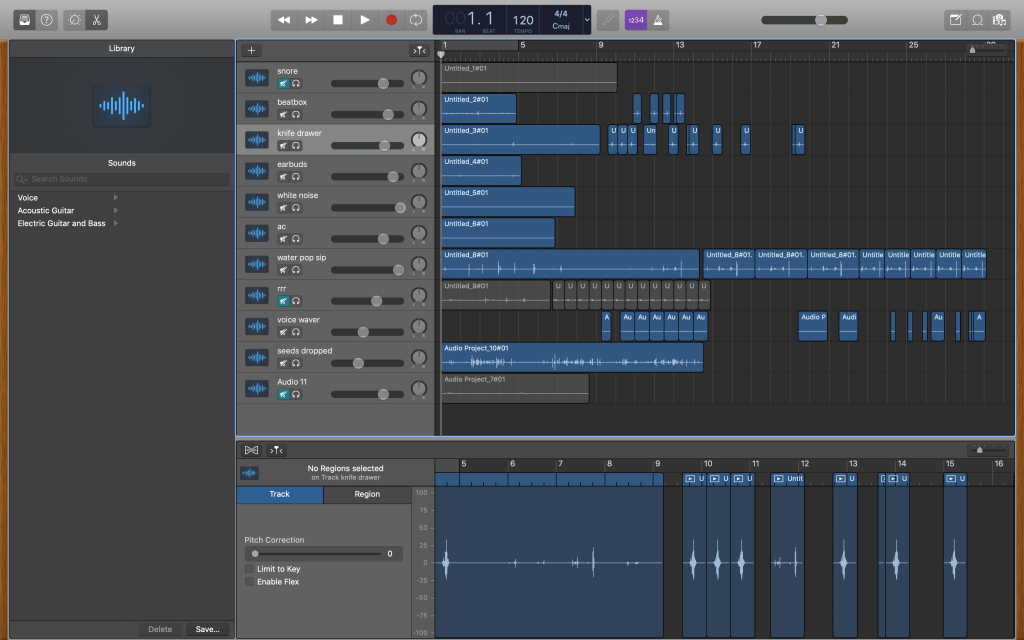
10 second Soundtrack experiment
Sound Environments & Deep Listening
In the first location, taking place in the kitchen, I mainly hear the air conditioning unit roaring and huffing as the dominant sound in the landscape. The next sound I distinguished was the refrigerator which made a prolonged rumbling sound that was quite lower in volume compared to the air conditioner. I also began to hear a ticking from a nearby clock that can totally be categorized as mechanical from the way the ticking pushed the arm forward and the arm bouncing just slightly back from the impact. The kitchen lights that are beaming down also give off a sound, which sounds more like a ringing at a very high pitch where it is hard to hear from how subtle it is.
The second location I chose was a big bathroom, particular to see if I can hear some sort of echo or reverb that may occur. The first thing I heard was the air conditioner running, but very subtle compared to the kitchen. Then I heard the running of water in different pipes up above through the ceiling. The trickling water ended up having a slight echo to it within the larger pipes that it traveled through. Next, I heard a sort of white noise that was quite hallowing behind all the air conditioning breeze and rushing water in the walls.
The third location I selected to journey to a medium-sized walk-in closet. It was more isolated from all the other things such as the air conditioning and other housing utilities, so I was hoping for a more piercing silence. I entered the closet and the first thing I hear is the fan that rotates in the room the closet is in. It almost sounded like a rapid flapping of a wing, like a hummingbird (quick and gentle). The subtle flipping of the limbs of the fan muffled by the closet’s curtain hanging over the opening. Besides the fan, the closet was quite piercing with its white noise and silence, as though the air around me began to vibrate from how quiet the space had been.
 TBM
TBM 